
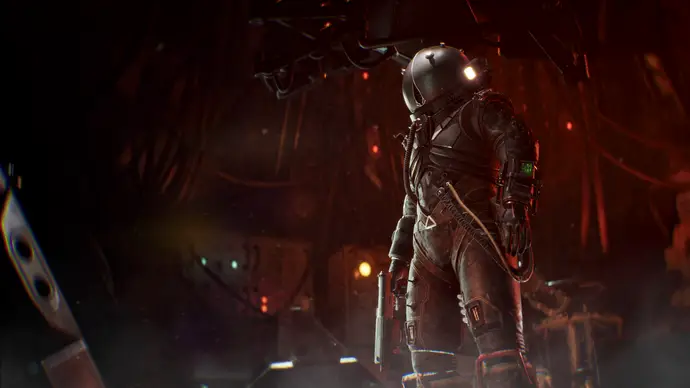
Survival horror has always been about fear, scarcity, and atmosphere. Cronos: The New Dawn, developed by Bloober Team, delivers all three in a bleak and unforgettable way. It is a game that leans heavily on mood, storytelling, and exploration, drawing players into an oppressive world where time itself becomes a weapon.
The game is far from perfect. Combat pacing and resource management can sometimes drag down the experience, and its torch fuel mechanic frustrates more than it should. Yet, despite its flaws, Cronos manages to stand tall as one of the most striking horror titles of recent years.
In this review, we’ll dive into the game’s story, gameplay, visuals, sound design, strengths, flaws, and overall value to help you decide if it’s worth the $59.99 price tag.
What Is Cronos: The New Dawn?
Cronos: The New Dawn is a third-person survival horror adventure set in a dystopian future shaped by a catastrophic event known as The Change. Humanity has collapsed, leaving only scattered remnants of survivors known as the Collective. You play as a Traveler, a special agent tasked with entering unstable time rifts to recover Essences—the last traces of people who once held the keys to humanity’s survival.
Core features include:
- 🔹 Third-person survival horror gameplay
- 🔹 Time rift missions where past and present collide
- 🔹 Exploration-driven progression with backtracking
- 🔹 Upgrades through Workstations and rare Cores
- 🔹 Multiple endings shaped by your choices
The concept is ambitious, mixing psychological horror with traditional survival mechanics. In many ways, it feels like a blend of Silent Hill’s atmosphere, Resident Evil’s resource tension, and Bloober’s signature storytelling style.
Story – 9/10
The narrative of Cronos is its strongest pillar. The world is introduced with no comfort or safety net. From the opening moments, you are thrust into a brutalist Eastern European wasteland, a place where society has long since collapsed.
Your role as the Traveler is not to rebuild or save in the traditional sense. Instead, you are tasked with extracting memories from the past, pulling fragments of humanity forward into a dying future. Each essence you recover is tied to personal stories—letters, journals, and logs that show how real people lived, suffered, and faded away during the epidemic.
What makes the story so effective is its fragmented approach. You are never spoon-fed the truth. Instead, you piece together the fall of civilization through exploration, notes, and dialogue with the Collective. It is haunting because of what is left unsaid.
The multiple endings encourage replayability. Depending on the type of essences you collect and the decisions you make, the narrative bends toward different fates. Some endings leave you with hope, while others feel deeply unsettling. This design choice reinforces the idea that time is never fixed and that even survival itself comes with compromises.
Gameplay – 8/10
Gameplay in Cronos: The New Dawn revolves around exploration, scarcity, and upgrades. At its best, it captures the essence of survival horror—making every step forward feel like a gamble. At its worst, it can be frustratingly repetitive due to combat issues.
Exploration and Backtracking
Exploration is the real star of the gameplay. Locked doors, hidden paths, and blocked areas encourage you to return once you’ve gained the right item or key. Instead of being tedious, this feels rewarding—each time you backtrack, you uncover new secrets, lore, and resources.
The time rift mechanic makes exploration even more engaging. Walking into the past reveals not just different environments, but also alternate versions of spaces you thought you knew. A ruined factory in the present might be a working facility in the past, filled with enemies, items, and lore.
Workstations and Upgrades
Progression is tied to Workstations scattered across the map. These serve as checkpoints, save areas, and upgrade hubs. Using Energies (common resources) and rare Cores, you can improve your weapons, armor, or suit.
The upgrade system is simple but effective. Because resources are limited, each decision feels weighty. Do you strengthen your shotgun for better combat, or toughen your armor for survival? This scarcity-driven design keeps progression meaningful.
Combat Flaws
Combat, however, is where the cracks show. Encounters are meant to be tense and limited, but the game often floods you with too many enemies at once. Aiming feels sluggish, hit detection can be inconsistent, and the shotgun—the most reliable weapon—doesn’t always connect properly.
The most frustrating mechanic is torch fuel. Fire is the only way to permanently kill monsters, but fuel is scarce and the torch itself feels clunky. Watching enemies resurrect because you couldn’t burn them quickly becomes more irritating than scary.
While these flaws don’t ruin the game, they drag down the pacing and sometimes turn fear into fatigue.
Visuals – 9/10
Visually, Cronos: The New Dawn is stunning in its bleakness. The brutalist architecture, underground tunnels, and desolate ruins create an oppressive atmosphere that weighs heavily on the player.
Each monster design is grotesque yet fascinating. Enemies evolve as the game progresses, keeping you on edge and forcing you to rethink your approach. Even small details—like flickering lights, dripping pipes, or the way shadows move—add to the sense of dread.
Technical hiccups exist, such as texture pop-ins or frame drops in busy areas, but they are rare. For the most part, the game’s art direction and visual storytelling carry the experience, making every location feel memorable.
Audio – 7/10
Sound design is both effective and underwhelming. On the one hand, the ambient noises—distant metal creaks, echoing footsteps, and enemy growls—heighten tension. The moments of silence are equally powerful, making you second-guess whether danger lurks around the corner.
However, the musical score is too subdued. Instead of elevating dramatic moments, it fades into the background. Some sound cues also feel mismatched, breaking immersion during key scenes. Compared to the visuals and story, the audio falls short of excellence.
Value for Money – 9/10
At $59.99, Cronos: The New Dawn offers 20–30 hours of content, multiple endings, and a deep progression system. For survival horror fans, the investment feels justified.
The game doesn’t hold your hand. It expects patience, persistence, and a willingness to push through its flaws. If you enjoy games that challenge you mentally and emotionally, you’ll find the value here.
Strengths and Weaknesses
Pros:
✔ Gripping story with multiple endings
✔ Oppressive, unforgettable atmosphere
✔ Rewarding exploration and backtracking
✔ Memorable monster designs
✔ Strong upgrade and scarcity systems
Cons:
✘ Sluggish aiming and inconsistent combat
✘ Overabundance of enemies in certain areas
✘ Frustrating torch fuel mechanic
✘ Audio design weaker than visuals
Final Verdict – 84/100
Cronos: The New Dawn is not a flawless survival horror, but it doesn’t need to be. Its brilliance lies in its atmosphere, story, and exploration. While combat issues and resource frustrations keep it from perfection, the game delivers an oppressive, narrative-driven experience that fans of the genre will respect.
It’s not the kind of horror game you’ll breeze through. It’s the kind you endure, where every step forward feels earned and every ending leaves you with more questions than answers. In a world where many survival horror titles lean on action, Cronos dares to slow things down, forcing players to live with the weight of their choices and the shadows of the past.
If you’re ready for a survival horror that challenges your patience as much as your courage, then Cronos: The New Dawn is worth the plunge.