
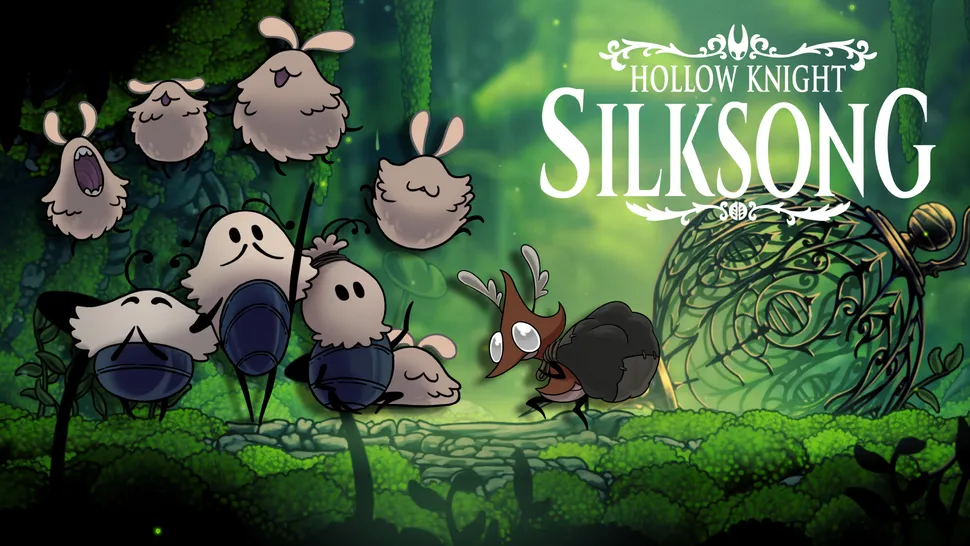
The wait is finally over. After six long years filled with silence, speculation, and memes, Hollow Knight: Silksong is finally in our hands. Team Cherry has officially released the game on September 4, 2025, and fans around the world are now stepping into Pharloom, the mysterious new kingdom where Hornet’s adventure begins.
This is not a full review yet. These are my first impressions after spending several hours with the game. Even so, the opening hours of Silksong show a level of polish, creativity, and depth that proves the wait was worth every second.
The Long Journey to Release
The story of Silksong’s development is almost as legendary as the game itself. Originally announced in 2019, the game went through years of silence. No release window, no updates, just endless speculation. Fans kept the hope alive with memes, countdowns, and theories. Some even posted daily reminders online just to keep the community’s spirits up.
When Team Cherry finally revealed the release date during the Special Announcement stream, it felt surreal. On September 4, 2025, Silksong launched on PC, PS5, PS4, Xbox Series X|S, Xbox One, Nintendo Switch, and Switch 2. All platforms received the game at the same time, and within minutes, the excitement caused servers like the Nintendo eShop to crash.
The “Silksanity,” as fans call it, was finally over.
Hornet’s New Story
The game begins with Hornet captured and carried to a strange new land called Pharloom. Unlike Hallownest, Pharloom feels brighter, more alive, but also more haunting. It is described as a kingdom “haunted by silk and song.” Hornet’s journey here is not by choice—she is brought against her will.
After a dramatic opening scene where her cage is broken, Hornet awakens in Pharloom’s Moss Grotto. From here, her mission is to climb toward the Citadel, the kingdom’s peak, and uncover what lies at its heart.
The story is mysterious, just like the first game. Team Cherry drops you into the world with little explanation. The details are scattered across environments, characters, and cryptic dialogue. Already, I find myself asking questions:
- Why was Hornet captured?
- What force controls the strange silk covering the bodies of fallen creatures?
- Is Pharloom connected to Hallownest?
- Is this a sequel, a prequel, or something else entirely?
The beauty of Hollow Knight’s storytelling was always in its subtlety, and Silksong continues that tradition.
Gameplay Feels Familiar but Fresh
At its core, Silksong is a Metroidvania game, much like its predecessor. That means you explore a huge interconnected world, gain new abilities, and return to older areas to uncover secrets.
Hornet’s combat and movement, however, feel completely different. Compared to the Knight, she is faster, more agile, and much more acrobatic. In just the first few hours, I’ve already experienced:
- Healing on the move using Silk, rather than sitting still like the Knight had to with Soul.
- Grappling hooks that let Hornet zip across gaps or attack enemies.
- Dress gliding, where Hornet can catch updrafts and float downward.
- Early sprinting abilities, which add more speed and fluidity to platforming.
These changes make combat and exploration more dynamic. Enemies are also more aggressive, with faster attack patterns designed to match Hornet’s mobility. Battles feel like a dance, with quick dodges, counters, and bursts of offense.
One standout moment was my fight against Lace, a rival character teased at events like Gamescom 2025. She’s relentless, fast, and punishes hesitation. It set the tone for how challenging Pharloom will be.
The New Quest System
One of the biggest additions in Silksong is the quest system, called Wishes. Unlike the original game, where side content often felt hidden or optional, Silksong organizes it clearly.
There are four main quest types:
- Gather Quests – Collect trinkets or resources scattered across Pharloom.
- Wayfarer Quests – Track down items or rescue NPCs lost in strange locations.
- Hunt Quests – Defeat specific enemies and bring back their drops.
- Grand Hunts – Larger, boss-like encounters against stronger foes.
Most quests are optional, but they reward you with resources, lore, and tools that make progression smoother. The quest log keeps everything recorded, so you don’t have to rely on memory or guides to keep track of tasks.
This small change makes Pharloom feel more structured without taking away the freedom of exploration.
Tools, Skills, and Crests
Team Cherry also expanded Hornet’s customization options. In addition to quests, there are three major systems that affect gameplay:
- Tools – Items crafted from resources dropped by enemies. These can include throwing pins, bug-summoning devices, or explosive traps.
- Weaver Skills – Abilities fueled by Silk. They act like Hornet’s special powers, similar to how Soul worked in Hollow Knight.
- Crests – A modular system that changes Hornet’s abilities and attack patterns. Some crests adjust her strikes, while others give combat bonuses or utility effects.
This setup replaces Hollow Knight’s Charms. It feels more flexible while keeping combat balanced. I’ve already experimented with different builds, and it’s exciting to see how varied playstyles can become.
Exploring Pharloom
The world of Pharloom is breathtaking. Art director Ari Gibson has once again crafted a world that feels alive, layered, and atmospheric. Each area I’ve visited is full of detail, from moss-covered ruins to unsettling caverns. The environmental storytelling makes the kingdom feel ancient and mysterious.
Fast travel is available through Bell Beasts, which replace the Stagways from Hollow Knight. They serve the same function—letting you move across the map without endless backtracking—but with a new visual flair.
Backtracking still plays a big role. This is standard for the Metroidvania genre. You’ll often revisit older areas with new abilities to uncover hidden paths, quests, and shortcuts. Far from being a chore, it makes the world feel interconnected and alive.
Music and Atmosphere
No discussion of Silksong would be complete without mentioning Christopher Larkin’s music. His soundtrack once again creates a mood that is both haunting and beautiful.
The music shifts between quiet, unsettling tracks in darker areas and uplifting melodies in more open spaces. Ambient sounds stand out too—the tearing of silk, Hornet’s battle cries, or the faint rumble of earthquakes in the background. Together, the sound design and visuals create a world that pulls you in completely.
First Impressions: Was the Wait Worth It?
After only a few hours, it’s clear that Silksong is shaping up to be every bit as special as its predecessor. Pharloom is vast and full of secrets. Hornet is a joy to control, with faster movement and more combat options than the Knight. The quest system and new customization features make the game feel fresh without losing its roots.
Of course, I’ve only scratched the surface. I expect dozens more hours of exploration, battles, deaths, and discoveries before I can give a full review. But if the opening hours are anything to judge by, Hollow Knight: Silksong was worth every day of the six-year wait.
For now, all I can say is this: I can’t wait to dive deeper into Pharloom, uncover its mysteries, and see where Hornet’s journey leads.
Final Thoughts
- Release Date: September 4, 2025
- Platforms: PC, PlayStation 5, PlayStation 4, Xbox Series X|S, Xbox One, Nintendo Switch, Nintendo Switch 2
- Genre: Action, Metroidvania
- Developer & Publisher: Team Cherry
Hollow Knight set an incredibly high bar. From my early time with Silksong, it looks like Team Cherry may have matched—or even surpassed—it.
If you loved the first game, you owe it to yourself to step into Pharloom. If you’re new, prepare for a challenging, rewarding, and unforgettable adventure.